Audience: project managers, site engineers, ops leads
Goal: deliver works in occupied/operational facilities with zero surprises, zero harm, and minimal downtime.
Why sequencing matters
- Production and customer operations cannot stop.
- Safety risks increase with shared routes, plant and people.
- Dust/noise/odour can contaminate product or void warranties.
- Unplanned isolations jeopardise business continuity and insurance.
Principles to run by
- Safety leads the programme. No permit, no work.
- Operations first. Black-out dates and change freezes trump convenience.
- Single truth. One look-ahead, one set of drawings, one comms thread.
- Protect interfaces. Movement, utilities and information flow.
- Evidence everything. RAMS briefed, permits logged, QA photographed.
Five-stage playbook
1) Discovery & constraints capture
- Map departments, people flows, FLT routes, fire egress, hygiene zones.
- Log black-out periods, shift patterns, planned outages, deliveries, audits.
- Confirm noise/dust limits, cleanliness classes, hot-work rules.
- Agree a Change Control process (who approves, how fast).
2) Zoning & segregation
- Physical barriers (solid where dust-sensitive), negative/positive pressure as needed.
- Mark safe walkways, FLT aisles, fire routes; add access control.
- Dedicated laydown, waste and charging areas.
- Daily housekeeping standard (photos at start/finish).
3) Isolation & changeover strategy
- Electrical/mechanical/process isolations planned with LOTO; create a register.
- Temporary supplies/bypasses where continuity is required.
- Pre-commissioning and changeover rehearsals (“dry runs”).
- Agree revert plan if changeover fails (timeboxed go/no-go).
4) Works windows & micro-sequencing
- Use nights/weekends or micro-windows between batches.
- Break tasks into short, testable increments with recovery time.
- Example (packaging line upgrade):
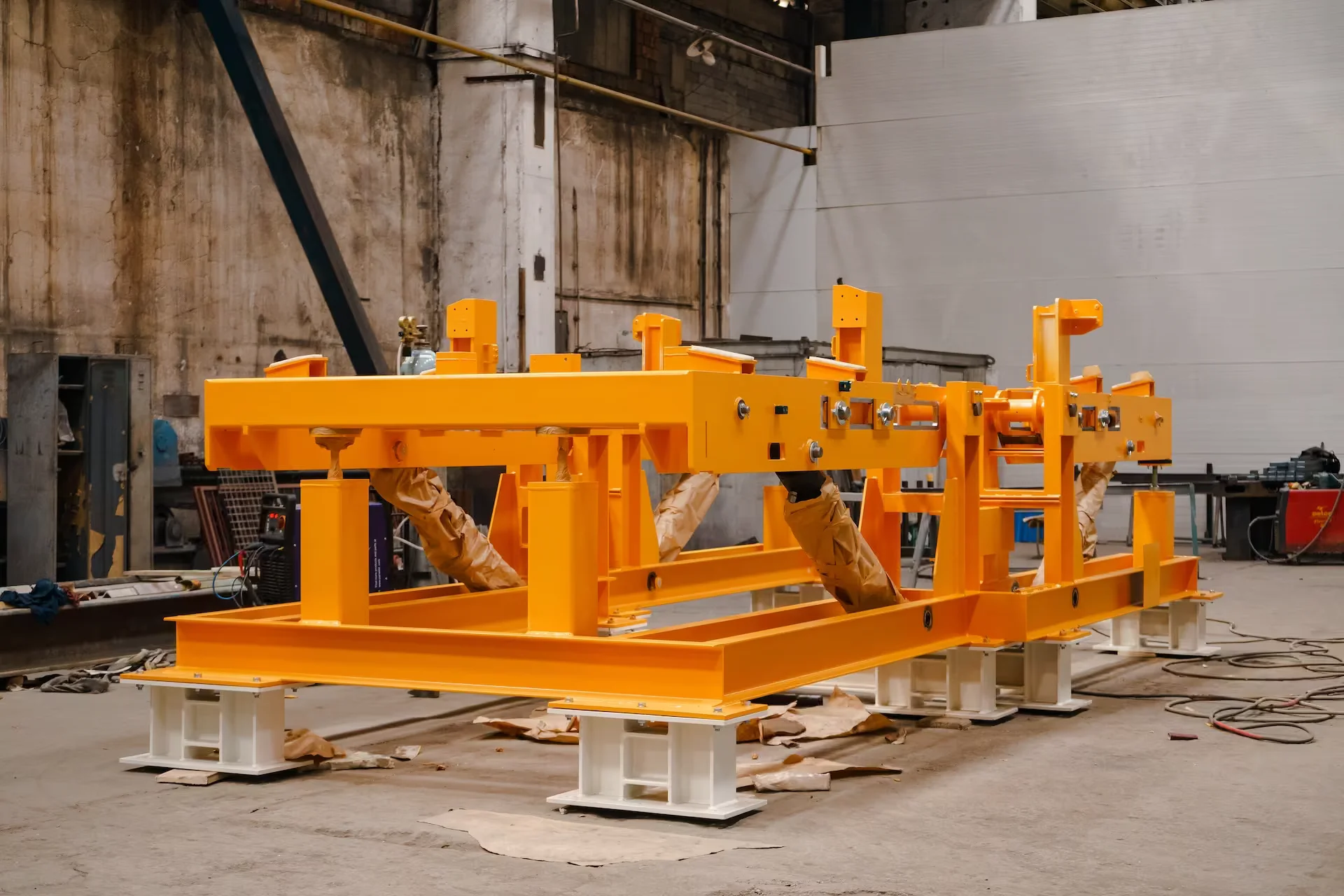
- Pre-build skid off-line → FAT complete
- Isolation & disconnect (02:00–03:00)
- Remove old conveyor (03:00–04:00)
- Lift/position new module (04:00–05:00)
- Services hook-up (05:00–06:00)
- Cold commission & safety checks (06:00–07:00)
- Trial run with product (07:00–07:30)
- Contingency/revert window (07:30–08:00)
5) Interfaces, logistics & permits
- Booked delivery slots and defined routes; spotters for shared areas.
- Lift plans, TM plans, waste routes; no ad-hoc movements.
- Permit board: hot works, roof access, MEWP, excavation, confined space.
- Daily permit review at start-up meeting.
Quality & HSE built into the sequence
- ITP with hold points tied to windows: isolation proved, fixings torqued, guards fit, interlocks tested.
- Pre-use checks for access/plant; LOLER/PUWER docs on file.
- Hygiene sign-off and cleaning records before handback.
Communication cadence (keep it light, keep it regular)
- Weekly: coordination meeting with operations (review next 2–6 weeks).
- Daily: 10-minute start-up at the workface (permits, people, plant, plan).
- Change notices: simple one-pager—what/when/where, risks, mitigations, contacts.
- Single point of contact on both sides.
Two-Week Look-Ahead (snapshot):
- Windows confirmed ✔
- Permits pre-approved (draft) ✔
- Drawings/IFC issue ✔
- Plant & access booked ✔
- Risk hot-spots + contingencies listed ✔
KPIs that actually help
- Window hit rate % (planned vs achieved)
- Unplanned disruption count (target: zero)
- Permit compliance % (briefed, signed, closed)
- Defects at handback (target: zero blockers)
- Near-miss reporting (quality over quantity)
Red flags—stop and escalate
- Permit missing or controls not in place.
- Overrun threatens start of operations.
- Unapproved route/plant change.
- Unexpected utility/service behaviour.
- Dust/noise/odour exceeding limits or any contamination.
Action: make safe → notify ops lead → follow revert plan.
Pocket checklist (A5)
- Latest drawings & single schedule
- Black-out dates logged
- Zones & routes marked, barriers erected
- RAMS briefed; permits ready
- LOTO kit & isolation plan
- Delivery slots booked; laydown clear
- ITP hold points known to crew
- Housekeeping standard agreed
- Handback criteria & sign-off names
Photos that prove control
- Barriers & signage in place
- Isolation tags & readings
- Fixings with torque witness marks
- Guarding/interlocks tests
- Cleanliness checks at handback
- Permit board at start/end of shift
Final word
In live facilities, sequencing is risk control. Break the work into safe, testable chunks; protect interfaces; keep comms boringly predictable. Do that and you’ll finish on time with operations still smiling.
Want editable look-ahead, permit board, and handback templates? Email [email protected] and we’ll send a pack aligned to your scope.